
Animal Removal Kansas City - 913-800-5765
Wildlife Trapping
When it's necessary to remove animals, we focus on humane and effective trapping and relocation.

Home Repairs
A critical step - the identification and repair of any and all wildlife entry points into the home.

Animals in Attic
We specialize in the removal of animals in the attic - squirrels, raccoons, rats, mice, bats, and more.

No Poisons!
We never use poisons in any part of our wildlife control, including rodent control. Poisons don't work!
We are Kansas City Wildlife, and we solve conflicts between people and wild animals. From squirrels in your attic, to raccoons in your trash, to bats, rats, birds, and snakes, we do it all. We specialize in safe and effective solutions to Kansas critter problems. We service the greater Kansas City region, and we offer fast service - we can usually schedule a same-day appointment. Give us a call at 913-800-5765 any time, 24/7, and we will discuss your unique wild animal problem, and give you a free price quote over the phone. We're ready to take your call now!
Our service range: We service Platte County, Clay County, Jackson County, Johnson County, Leavenworth County, Cass County, Lafayette County, Ray County, Clinton County, Bates County, Caldwell County, Miami County, Franklin County, Linn County, and more. We also service Independence, Olathe, Overland Park, Blue Springs, Belton, Excelsior Springs, Gladstone, Grandview, Lansing, Leawood, Leavanworth, Lee's Summit, Lenexa, Liberty, Merriam, Ottawa, Prairie Village, Raymore, Raytown, Shawnee, De Soto, Bonner Springs, Basehor, Edgerton, Paola, and more.
Kansas City Wildlife Education: Do Possums Hiss?
If you have ever encountered a possum on your property or in the wild, you may think you heard a hissing sound. You are not necessarily mistaken as possums will occasionally hiss. They don’t do so incredibly often, but it does happen if they feel threatened.
The Hissing
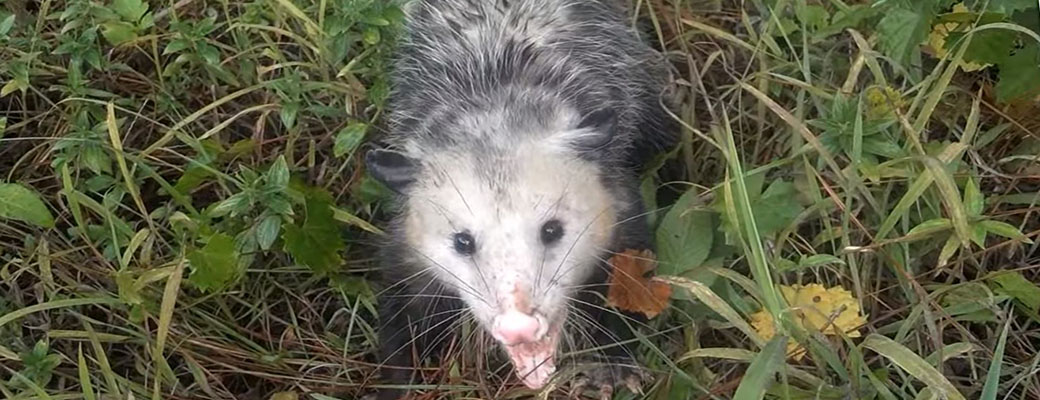
Most of the time when a possum hisses it is because it feels threatened. The possum will most likely hiss with its mouth open. This is a defensive gesture and shouldn’t cause too much alarm. The possum is unlikely to attack you unless you provoke it further. Instead, this hissing is simply a defense mechanism meant to scare away predators.
Other Possum Sounds
Other than the occasional hiss, there are only a few sounds that possums will make. They occasionally make a sound similar to a sneeze or “choo choo.” This sound is only made by the young and is their way of notifying their mother that they have been separated. When the young call the mother, she will make a clicking sound as a response. You may also hear the same clicking sound during the mating season, but this time it will come from the males. As mentioned, opossums will hiss sometimes when they feel threatened. They may also make a low growling noise in this situation. In some cases, the growling and hissing will also occur during mating, which you can tell by the position of the possums and if there are two animals present instead of one.
Other Defense Mechanisms
Hissing is one of the defense mechanisms of possums. These animals are “all bark and no bite” in most situations but the hissing is typically enough to scare off attackers or at least make them think twice. The hissing is typically accompanied by opening their mouth in a manner that is threatening. In fact, you will even see baby possums without teeth doing this. Once the animals are adults, this shows off their teeth and helps keep predators away.
Possums may also work their jaw to the point where an excessive amount of drool is formed. At this point, the possum will be blowing bubbles from their noise. This is a defense mechanism that makes predators think the animal is sick, making them unappealing. To the untrained eye, this defense mechanism may look similar to rabies, but there is almost no chance of possums developing that particular illness due to their body temperature.
The most common and well-known defense mechanism of possums is playing dead. They will involuntarily enter a comatose-like state that is brought on by extreme fear. It works because predators feel the need to kill as well as eat. Seeing a dead possum makes the animal seem unappetizing. After the danger passes, the possum will wake up.
Previous Education Articles
How to deodorize your house from a dead Kansas City animal
Do mothballs or ammonia help repel Kansas City snakes?
What to do about a Kansas City house mouse on the roof
Is it legal for me to catch a venomous Kansas City snake?
© 2018 Animal Removal Kansas City
